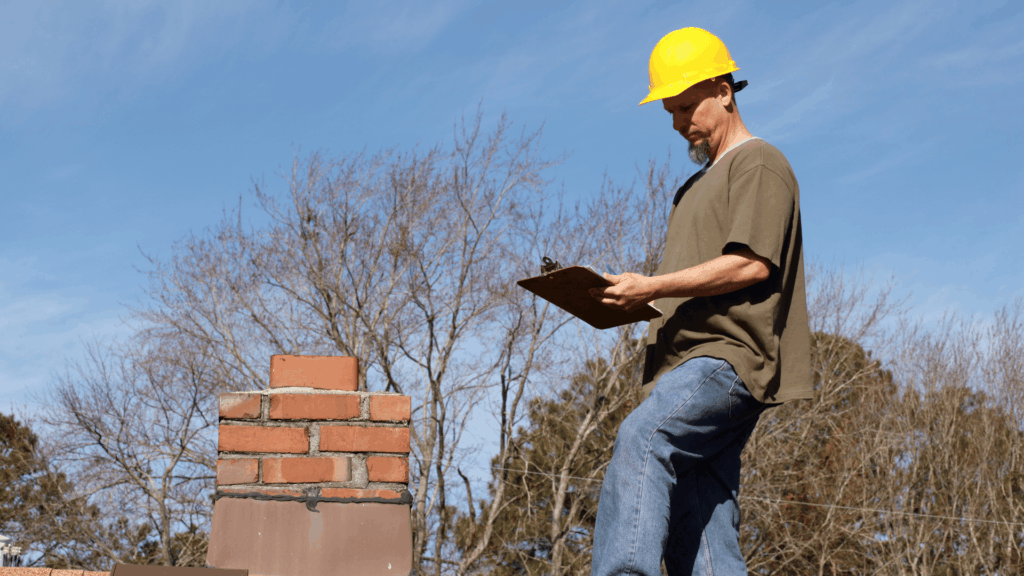
After a significant storm in Illinois, roofing contractors are in high demand for inspections. But what exactly does a professional storm damage inspection involve? What are they looking at, and how is it different from a general roof inspection?
Understanding what a thorough storm damage inspection covers — and what it should document — can help you ask better questions and ensure you’re getting the professional assessment your property deserves.
Why Storm Damage Inspection Is a Specialized Skill
Not all roof damage looks the same, and not all damage is obviously visible. Storm damage inspection requires knowing what hail, wind, and water damage look like at various stages — from fresh impact to damage that’s several weeks or months old. It also requires understanding how insurance companies evaluate damage, what documentation they need, and what patterns of damage indicate a storm event versus normal aging.
An inspector who doesn’t specialize in storm damage may look at a roof and see only minor cosmetic issues. An experienced storm damage inspector may look at the same roof and document thousands of dollars in legitimate covered damage.
The Roof Surface: Shingles and Granule Loss
The most visible area of inspection is the shingles themselves. For hail damage, inspectors look for:
- Impact marks — circular dents or bruising on shingle surfaces, often with a soft, compressible center that indicates damage beneath the surface
- Granule displacement — hail impacts knock granules off the shingle surface, leaving exposed, shiny asphalt beneath
- Cracked or split shingles — larger hailstones or sharp ice can crack shingles outright
- Pattern consistency — storm damage typically appears in a scattered but consistent pattern across the entire roof surface, unlike damage from foot traffic or physical contact which appears in linear patterns
For wind damage, inspectors look for lifted, creased, or missing shingles. Wind can break the seal strips that hold shingles down, allowing them to lift and eventually detach — sometimes without being immediately obvious from the ground.
Gutters, Downspouts, and Metal Components
Metal components are some of the best indicators of hail impact. Inspectors examine:
- Gutters and downspouts for denting or pitting — metal dents visibly under hail impact, providing clear, photographable evidence
- Flashing around chimneys, vents, and valleys for denting or displacement
- Ridge cap metal and drip edge for impact marks
- HVAC unit fins — soft aluminum fins on AC condenser units dent easily under hail, providing an additional reference point for impact severity
Finding consistent impact marks across multiple metal surfaces on a property provides strong documentation that a hail event occurred and affected the roof.
Roof Penetrations and Flashing
Every point where something penetrates your roof — pipes, vents, chimneys, skylights — is a potential vulnerability. Storm damage inspections include a close examination of all flashing for displacement, cracking, or compromise from wind or impact. These areas are also prone to damage that doesn’t show up on shingles directly but can allow significant water intrusion.
The Attic Inspection
A thorough storm damage inspection doesn’t stop at the roof surface. An experienced inspector will also examine the attic for signs of water intrusion — staining on decking, wet insulation, or active moisture. This documentation is important because it demonstrates that the storm damage has already begun causing secondary damage, strengthening the urgency and scope of the insurance claim.
What a Professional Inspection Report Includes
At the end of a thorough storm damage inspection, you should receive a documented report that includes photographs of each damage point, a description of the damage type and location, an assessment of the full scope of work required, and a professional estimate. This report is the foundation of your insurance claim — the more thorough and well-documented it is, the stronger your claim.
At Red Line Roofing, our storm damage inspections are conducted with this documentation standard in mind. We know what insurance companies need to see, and we prepare our reports accordingly.
Final Thoughts
A storm damage inspection is only as valuable as the expertise of the person conducting it. Ask your contractor what their inspection process includes, whether they provide a written report, and whether they have experience with insurance claim documentation. The answers will tell you a lot.
Ready to protect your home? Book your FREE inspection with Red Line Roofing today: (708) 729-8020 | red-lineroofing.com